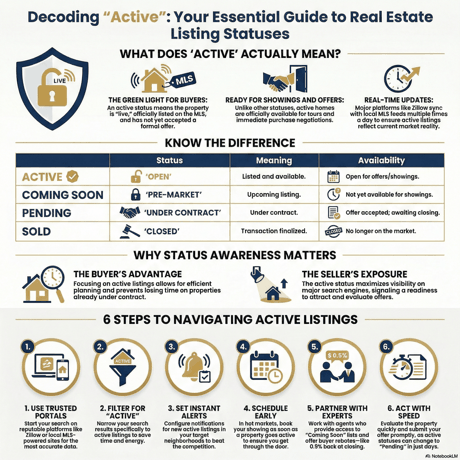
Discover the Power of the Flat Rate Realty Group Blog: Your Ultimate Guide

Welcome to Flat Rate Realty Group’s blog, a premier resource tailor-made for homebuyers, sellers, and investors exploring Colorado real estate in Colorado Springs and beyond. Our mission is clear: to empower you with trusted, actionable real estate knowledge that drives confidence and success in your property journey.

With today’s real estate market evolving rapidly, having an expert guide can make all the difference. That’s why our blog combines in-depth market analysis, detailed how-to guides, insider tips, and regional neighborhood insights — all framed by the proven Flat Rate Realty model of exceptional customer service paired with flat-fee savings.

Why Read the Flat Rate Realty Group Blog?

  • Expert Local Insight: We live and breathe Colorado real estate — sharing first-hand neighborhood trends, market stats, and investment opportunities.
  • Cost-Saving Strategies: Learn how our flat rate commissions save typical sellers about $10,000 in real estate fees while receiving full professional services.
  • Comprehensive Guides: Step-by-step instructions for buying, selling, negotiating, and financing homes or land in Colorado efficiently and stress-free.
  • Buyer Rebates and Incentives: Exclusive details on programs offering rebates up to $3,500 for buyers who list through Flat Rate Realty.
  • Market Updates & News: Stay current with regional price trends, inventory updates, and economic drivers impacting Colorado real estate.
  • Real Client Stories: Authentic testimonials showcasing how we’ve helped buyers and sellers save money and achieve goals.

What You Will Find in Our Blogs

Our blog covers critical topics, including but not limited to:

  • Colorado City and Neighborhood Guides: Detailed posts on communities like Colorado Springs, Castle Rock, and more.
  • Real Estate Market Trends: Analysis supported by data from sources such as the Colorado Association of Realtors.
  • How-To Guides: From preparing your home to sell, home inspections, appraisal tips, to navigating loan approvals.
  • Financial Tips: Optimizing buyer credits, financing options, costs breakdowns, and tax considerations.
  • Flat Rate Realty Service Deep Dives: Understanding our unique flat-fee approach and how it benefits you directly.

Step-by-Step: How to Maximize Benefits Using Our Blog

  1. Identify Your Goals: Browse posts focused on either buying or selling to hone in on your current needs.
  2. Leverage Neighborhood Links: Access the city guides for detailed local insights before home search.
  3. Engage with Market Trends: Use our data-supported posts to time your purchase or sale advantageously.
  4. Apply Financial Tips: Make informed decisions on budgeting and rebate opportunities informed by our expert content.
  5. Follow Our How-To Guides: Prepare yourself for each transaction step with checklists, timelines, and best practices.
  6. Contact Our Team: Use insights gained to approach Flat Rate Realty agents ready to support your unique real estate journey.

Key Benefits of Using Our Blog as a Resource

  • Unique Flat-Fee Savings explained and illustrated
  • Insider market knowledge specific to Colorado Springs & Colorado’s evolving landscape
  • Actionable advice for professionals and first-timers alike
  • Direct access to trusted agents and affiliate services
  • Regular updates and fresh perspectives keep your knowledge current

Client Voices: Success Stories From the Flat Rate Realty Group Family

"Had the absolute pleasure of buying a home with Frank. We not only got our number 1 choice but also got it for over $10,000 cheaper than it was listed for... He is one of the best Real Estate Brokers in Colorado Springs!" – Ross Keps
"Frank and his team sold our house above market value while charging a fraction of traditional commissions. Their personal dedication and expertise outshone all others." – David Goscha

This is the kind of personalized service and savings you can expect, and our blog is the first step in learning how to replicate this success.

Comparison: Flat Rate Realty Blog vs. Other Real Estate Blogs

Feature Flat Rate Realty Blog Typical Real Estate Blogs
Local Colorado Focus Deeply specialized Broad/general
Flat-Fee Real Estate Insights Extensive, practical guides Minimal or none
Buyer Rebate Information Detailed and transparent Rarely mentioned
Regular Market Updates Data-driven, timely Occasional, inconsistent
Client Testimonials & Case Studies Featured frequently Less personalized

Access These Premium Tools & Resources

Ready to start your real estate journey with trusted Flat Rate Realty experts? Contact us through this link or email Homes@FlatRateRealtyGroup.com for personal assistance today.

Summary: Why Our Blog is Your Go-To Colorado Real Estate Resource

  • Unrivaled local expertise: Unpack Colorado Springs and regional market trends.
  • Actionable insights: Step-by-step guides you can implement immediately.
  • Cost-saving strategies: Learn how to maximize equity with our flat-rate commission model.
  • Exclusive rebate info: Understand and access buyer rebates and incentives.
  • Trustworthy & personable: We are Colorado real estate agents with your best interests at heart.

Explore our full blog archive and start turning information into successful real estate decisions: Flat Rate Realty Group Blog


Jan. 14, 2026

Selling a Home: Winter vs Summer Challenges in Colorado


Selling a Home: Winter vs Summer Challenges in Colorado

Colorado’s breathtaking landscapes and diverse communities make it a prime location for homebuyers, but selling a home here requires understanding how seasonal shifts affect the market. When you sell during winter or summer, you’ll face different obstacles and opportunities unique to these distinct Colorado seasons.

At Flat Rate Realty Group, we’ve helped countless clients navigate these challenges and capitalize on market conditions to sell homes efficiently and profitably. In this detailed guide, we’ll explore winter and summer selling challenges in Colorado to help you prepare for success in today’s real estate market.

Table of Contents

  1. Overview of Colorado Real Estate Seasonality
  2. Challenges of Selling a Home in Winter
  3. Challenges of Selling a Home in Summer
  4. Winter vs Summer Selling: Key Comparisons
  5. Actionable Tips for Selling in Each Season
  6. Case Study: Colorado Springs Home Sale
  7. Q&A: Seasonal Selling Questions
  8. Flat Rate Realty Buyer’s Rebate Program
  9. Summary & Key Takeaways

Overview of Colorado Real Estate Seasonality

Colorado’s real estate market is influenced heavily by seasonal weather, buyer demand, and lifestyle preferences. According to National Association of Realtors data, the spring and summer months typically show a surge in home buying activity, with sales peaking from May through August nationwide.

However, Colorado’s mountain climate and local market dynamics create nuanced seasonal effects that sellers must understand to optimize their sale timing and pricing strategy.

Challenges of Selling a Home in Winter

1. Reduced Buyer Traffic

Winter months in Colorado, especially from November through February, typically see fewer buyers actively searching due to cold temperatures, snow, and holidays.

  • Snow and ice can discourage showings and open houses.
  • Potential buyers may have limited travel if commuting from other states or cities.

2. Curb Appeal and Property Presentation Issues

Snow cover, dead landscaping and shorter daylight hours challenge your home’s curb appeal.

  • Frozen lawns and leafless trees provide less inviting exteriors.
  • Snow melting/winter debris cleanup must be constant.
  • Less natural light indoors can reduce the warmth buyers feel during showings.

3. Pricing Sensitivity

Lower inventory and fewer buyers often require more strategic pricing to attract limited seasonal demand while still maximizing return.

4. Limited Inspection and Repair Scheduling

Cold weather may delay or complicate necessary repairs, inspections, or appraisal processes.

5. Financing Challenges for Buyers

Some buyers may face challenges securing loans in winter, especially if tax documents or appraisals are delayed due to holidays.

Challenges of Selling a Home in Summer

1. Increased Competition Among Sellers

Summer is peak selling season, meaning more homes are on the market. This increases competition.

  • Buyers have abundant options, making differentiation critical.
  • Pricing must be competitive, factoring in market saturation.

2. Buyer Scheduling Conflicts

While buyer traffic is higher, summer also means vacations, summer camps, and family activities can limit buyers' availability for showings.

3. Maintaining Yard and Pool Presentation

Summer landscaping must be pristine and pools meticulously maintained, which can increase seller effort and costs.

4. Higher Expectations for Home Condition

Buyers expect homes to be move-in ready with visual appeal. Homes with deferred maintenance or clutter may be passed over.

Winter vs Summer Selling: Key Comparisons

Factor Winter Summer
Buyer Activity Lower, but serious buyers High, but more casual buyers
Inventory Levels Lower inventory, less competition Higher inventory, more competition
Curb Appeal Challenging due to snow and bare landscaping Optimal, greenery and sunlight enhance appeal
Pricing May need more competitive pricing Pricing influenced by many comparable active listings
Showings Snow and weather may limit showings More frequent showings but scheduling conflicts
Closing Time Potential delays due to weather or holidays Generally smoother/process faster

Actionable Tips for Selling in Each Season

Winter Selling Tips

  1. Enhance Curb Appeal: Regularly shovel walks, salt icy patches, add seasonal lighting. Consider winter plants in pots for color.
  2. Create Warmth Inside: Maximize natural light, use warm lighting, and maintain comfortable thermostat temp for showings.
  3. Price Strategically: Consult with Flat Rate Realty Group for comparative market analysis to attract winter buyers.
  4. Flexible Showing Schedule: Accommodate buyers’ limited availability due to weather and holidays.
  5. Professional Photography: Use best photo timing around daylight and cleared snow for appealing listings.

Summer Selling Tips

  1. Focus on Landscaping: Maintain lush lawns, mow regularly, trim shrubs, and clean pools.
  2. Stage for Summer: Use light colors, open windows/doors for fresh air scent, and add outdoor seating.
  3. Highlight Neighborhood Amenities: Showcase access to parks, schools, and community events—link to Colorado Cities guides for buyers.
  4. Schedule Showings Smartly: Avoid conflicts with common vacation times; offer early morning/evening tours.
  5. Be Ready to Negotiate: More competition means you might get multiple offers—work with Flat Rate Realty agents to maximize value.

Case Study: Selling a Home in Colorado Springs

“The Martinez family chose to sell their home in the shoulder season between winter and summer. Leveraging Flat Rate Realty Group’s localized market knowledge and low flat fee structure, they executed a strategic pricing and marketing plan that attracted strong multiple offers within 15 days of listing.”

— Griffin Team, Flat Rate Realty Group

Q&A: Seasonal Selling Questions

Q: Is it harder to sell in winter in Colorado?

A: While buyer traffic declines, motivated buyers remain active. Winter sales can close faster due to less competition, but presentation and weather challenges require careful preparation.

Q: Does summer always guarantee a quicker sale?

A: Summer usually increases buyer activity but also competition. Proper pricing and staging remain critical to a fast sale.

Q: Should I wait for a particular season to list my home?

A: Timing depends on your personal situation and Colorado market conditions. Consult trusted local agents like Flat Rate Realty Group to determine the optimal window.

Flat Rate Realty Buyer’s Rebate Program

Flat Rate Realty Group provides buyers and sellers a competitive edge with our exclusive rebate program — qualified properties offer up to 0.5% of the sale price back at closing!

Example rebate savings:

  • On a $500,000 sale, receive up to $2,500 back.
  • On an $800,000 home, rebate can be as high as $4,000.

Partner with Flat Rate Realty for exceptional value and expert service in Colorado’s real estate market.

Summary & Key Takeaways

  • Selling a home in winter in Colorado means navigating weather and reduced buyer traffic but also less competition.
  • Summer sales benefit from increased activity and curb appeal but face more competition and buyer scheduling challenges.
  • Strategic pricing, staging, and understanding local market dynamics — available via Flat Rate Realty Group — are essential regardless of season.
  • The Colorado Cities guides help buyers explore neighborhoods year-round, useful for marketing your home.
  • Leverage Flat Rate Realty’s expertise and buyer rebate program to maximize your sale success and savings.

Explore more insights and tips on the Flat Rate Realty Group Blog.

Contact Flat Rate Realty Group for Expert Seasonal Selling Help


Jan. 14, 2026

How Much Does It Cost to Become a Realtor on Average?


How Much Does It Cost to Become a Realtor on Average?

Starting a career as a realtor can be exciting and rewarding, but many aspiring agents want to know a vital question upfront: how much does it cost to become a realtor on average? Understanding the various expenses—licensing fees, courses, association dues, and marketing costs—is essential for planning your journey effectively.

In this comprehensive guide, we'll breakdown the average costs involved in becoming a licensed realtor, share actionable steps to manage your expenses, and highlight ways to save money with support from industry leaders like Flat Rate Realty Group.

What Are the Typical Costs to Become a Realtor?

The fees to become a realtor differ by state but generally fall into several categories:

  • Pre-licensing Education
  • Licensing Exam Fees
  • State Licensing Fees
  • Errors & Omissions Insurance
  • Multiple Listing Service (MLS) Fees
  • National and Local Realtor Association Dues
  • Marketing and Business Expenses

1. Pre-Licensing Course Costs

Before you can take the licensing exam, you must complete state-approved pre-licensing coursework. Across the U.S., these courses typically cost $300 to $1,000 depending on location and course format (online or in-person).

For states like Colorado, expected pre-licensing course fees are around $350 to $650. These courses cover essential real estate principles, contracts, laws, and professional ethics required by your licensing authority.

2. Licensing Exam Fees

To take the state exam, fees often range between $60 and $150. The exam tests your knowledge of federal and state real estate laws and practices. Some providers include the exam fee in the pre-licensing package.

3. State Licensing Fees

Once you pass the exam, you pay the official licensing fee—typically $50 to $300, depending on the state. This fee grants you your real estate license, valid for 1-2 years before renewal.

4. Errors & Omissions Insurance (E&O)

Many brokerages require their agents to carry Errors & Omissions insurance for liability protection. This insurance generally costs around $200 to $500 annually. Some agencies include this in their package, so confirm with your brokerage first.

5. Multiple Listing Service (MLS) Fees

Access to the MLS is a must-have tool for any realtor. MLS membership fees vary widely but expect to pay $25 to $50 per month, plus a one-time setup fee of about $100 to $200.

6. Realtor Association Dues

If you want to officially use the title REALTOR®, you must join the National Association of Realtors (NAR), alongside your local and state boards. Typical dues include:

  • NAR National Membership Fee: Approx. $150 annually
  • State Association Dues: Varies; generally $100-$200/year
  • Local Board Dues: Usually $200-$300/year

7. Marketing and Business Expenses

These costs are variable and include branding, website, business cards, signage, client gift expenses, and advertising. New agents often spend $500 to $3,000 within their first year to effectively market their services.

Average Total Cost to Become a Licensed Realtor

Putting it together, based on data from the National Association of Realtors and state real estate agencies, the average cost estimates are:

Expense Category Average Cost Range (USD)
Pre-Licensing Education $300 - $1,000
Licensing Exam Fee $60 - $150
State Licensing Fee $50 - $300
Errors & Omissions Insurance $200 - $500 (annual)
MLS Fees $400 - $800 (annual)
Association Dues (NAR + State + Local) $400 - $650 annually
Marketing & Business Costs $500 - $3,000 (first year)
Total First-Year Costs (Approximate) $1,900 - $6,400+

It’s important to note that while some costs are one-time, others are ongoing annual fees for renewing licenses, insurance, MLS, and association memberships.

How to Manage and Minimize Your Startup Costs

Here are some practical steps to reduce upfront expenses and set yourself up for success without unnecessary financial stress:

  1. Choose Affordable Pre-Licensing Courses: Many accredited online schools offer competitive pricing and flexible schedules.
  2. Shop for Brokerages Wisely: Some brokerages offer flat fee commissions and support programs that reduce ongoing costs and increase lead generation.
  3. Leverage Technology: Use free or low-cost digital marketing tools and social media to grow your brand inexpensively.
  4. Utilize Buyer Incentives: Programs like Flat Rate Realty Group’s Buyer’s Rebate Program can attract buyers and close deals faster.
  5. Bundle Your Memberships: Some MLS and Realtor boards offer discounts for bundled dues.

Case Study: Starting a Real Estate Career with Flat Rate Realty Group

Mary chose to become a realtor in Colorado Springs. Here’s how she managed costs using Flat Rate Realty Group’s unique support:

  • Completed online pre-licensing courses at a budget-friendly academy for $450.
  • Joined Flat Rate Realty Group — benefited from industry-leading flat fee commissions reducing her overhead.
  • Leveraged the Buyer’s Rebate Program, helping her clients save up to $2,500 on a $500,000 home purchase, which attracted more referrals.
  • Used recommended low-cost digital marketing tools to build her personal brand.

By the end of her first year, Mary invested approximately $3,200 in startup costs and earned commissions well exceeding her expenses.

How Much Do Realtors Earn to Offset Costs?

According to the U.S. Bureau of Labor Statistics, the median annual wage for real estate brokers and sales agents was approximately $50,300. Top earners exceeded $100,000 annually. While income varies by experience, effort, and market conditions, many agents recoup their startup costs within months to a year.

Frequently Asked Questions (FAQs)

Q: How much does it cost to become a realtor on average?

A: On average, first-year costs range between $1,900 to $6,400+ including education, licensing, association dues, and marketing.

Q: What are ongoing fees after becoming a realtor?

A: Continuing education, license renewal, E&O insurance, MLS fees, and association dues are recurring costs totaling roughly $1,200-$2,000 annually.

Q: Can I save money by joining a flat fee brokerage?

A: Yes, companies like Flat Rate Realty Group offer flat fee commissions and support programs to reduce expenses and increase earnings.

Q: Are there hidden fees I should watch out for?

A: Watch for desk fees, technology fees, franchise fees, or mandatory marketing costs some brokerages may charge. Always ask for a clear fee breakdown.

Summary

Understanding how much it costs to become a realtor on average helps you plan your career with confidence. While startup costs can range from roughly $1,900 to more than $6,400, strategic choices can minimize expenses. Joining a pioneering brokerage like Flat Rate Realty Group can cut costs, provide high-value tools, and introduce innovative programs like the Buyer’s Rebate Program, maximizing your success and client satisfaction.

Ready to take the next step? Explore home listings and neighborhoods in Colorado with expert help — visit Flat Rate Realty Group Colorado Cities to begin your journey today.

Contact Flat Rate Realty Group to Start Your Real Estate Career


Jan. 13, 2026

Do I Pay Taxes If I Sell My House and Buy Another?


Do I Pay Taxes If I Sell My House and Buy Another?

Selling your home and buying another is an exciting milestone — but it often brings important financial questions, especially about paying capital gains taxes. Many homeowners wonder: “Do I pay taxes if I sell my house and buy another?” or if they can avoid capital gains taxes when upgrading or relocating.

This expert guide from Flat Rate Realty Group breaks down the current tax laws, exemptions, and practical tips so you can make well-informed decisions — and keep more money in your pocket during your home sale and purchase.

Table of Contents

  1. What Is Capital Gains Tax?
  2. When Do I Pay Capital Gains Tax on a Home Sale?
  3. Primary Residence Exclusion Explained
  4. Does Buying Another Home Deflect Capital Gains Tax?
  5. How to Calculate Capital Gains Tax
  6. State Taxes and Other Considerations
  7. Step-by-Step Process to Sell & Buy Without Unnecessary Taxes
  8. Case Study: Selling & Buying Smart in Colorado
  9. Frequently Asked Questions
  10. Flat Rate Realty Buyer’s Rebate Program
  11. Summary & Key Takeaways

What Is Capital Gains Tax?

Capital gains tax is the tax imposed on the profit you make from selling an asset like a home that has increased in value since you purchased it. The IRS defines it clearly as the difference between your home's selling price and your adjusted basis (typically the purchase price plus improvements).

Short-term vs Long-term Capital Gains

The rate depends on how long you owned the property:

  • Short-term capital gains: Owned for less than 1 year, taxed as ordinary income (can be 10%-37%).
  • Long-term capital gains: Owned for more than 1 year, taxed at reduced rates (0%, 15%, or 20% depending on income).

According to IRS statistics, about 60% of home sellers qualify for the primary residence exclusion (covered next) which can exempt them from paying capital gains taxes.

When Do I Pay Capital Gains Tax on a Home Sale?

You owe capital gains taxes only if your profit exceeds allowable exemptions. Key points include:

  • Your home must be your primary residence — lived in for at least 2 of the last 5 years before the sale.
  • The profit exclusion is up to $250,000 for single filers or $500,000 for married couples filing jointly.
  • If your gain exceeds those thresholds, you pay taxes on the excess at capital gains rates.

Example: If you’re single and earned $300,000 profit, you pay capital gains taxes on $50,000.

Primary Residence Exclusion Explained

The Section 121 Exclusion is a major tax benefit that lets homeowners exclude gains up to the limits mentioned above, but only if qualifications are met:

  • You used the home as your primary residence for at least 24 months within the previous 5 years.
  • You did not claim this exclusion on another home in the previous 2 years.
  • The home isn’t a rental or investment property during that time.

This exclusion effectively minimizes or eliminates capital gains tax for most traditional home sellers.

Does Buying Another Home Deflect Capital Gains Tax?

No, buying another home does not automatically defer or avoid capital gains tax. The law doesn't require you to reinvest proceeds into another home to qualify for the exclusion. This used to be true under older laws (prior to 1997), but currently, the tax code allows the exclusion just based on ownership and use, regardless of buying another home.

That means selling a home and immediately purchasing a new one does not trigger or prevent capital gains taxation. The tax focus remains on your gain from the sold property and whether you qualify for exemptions.

How to Calculate Capital Gains Tax

Follow these steps:

  1. Determine Your Basis: Typically what you paid plus improvements (e.g., renovations, additions).
  2. Calculate Your Adjusted Basis: Basis minus depreciation (if you used it as rental partially).
  3. Subtract Basis from Sale Price: This gives your capital gain.
  4. Subtract Exclusions: Up to $250K/$500K for primary residence.
  5. Apply Capital Gains Rate: Pay tax only on excess over the exclusion.

State Taxes and Other Considerations

Besides federal tax, consider that:

  • Colorado and many states tax capital gains as ordinary income, generally 4.4% - 4.55% in Colorado.
  • Local Colorado city data on property taxes and regulations can impact your overall costs.
  • Consult local tax professionals for state-specific variations.

Step-by-Step Process to Sell & Buy Without Unnecessary Taxes

  1. Confirm Primary Residence Status: Verify your eligibility for the exclusion.
  2. Document All Home Improvements: Keep receipts to increase your basis.
  3. Work with an Experienced Realtor: Choose a trusted firm such as Flat Rate Realty Group for expert guidance.
  4. Understand Market Timing: Coordinate sale/purchase to maximize financial advantage.
  5. Consult a Tax Advisor: Ensure you file correctly and take advantage of deductions.

Case Study: Selling & Buying Smart in Colorado

“The Martinez family sold their long-time Colorado Springs home with Flat Rate Realty Group. Using the primary residence exclusion, they avoided capital gains tax on $480,000 profit. They reinvested in a nearby community from the comprehensive Colorado Cities guide, saving thousands on commissions through Flat Rate’s buyer rebate program.”

Frequently Asked Questions (FAQs)

Q1: Do I pay taxes if I sell my house and buy another immediately?

A: Buying another home does not affect your capital gains tax liability from the sale. You pay tax based on gain and exclusions regardless of purchase.

Q2: What if my home was a rental or second property?

A: Different rules apply and depreciation recapture may trigger taxes. Consult with a tax professional.

Q3: How long do I have to live in my home to qualify for the exclusion?

A: You must live in it as your primary residence for at least 24 months within the 5 years before selling.

Q4: Can I claim the exclusion more than once?

A: No, you can claim it only once every two years.

Flat Rate Realty Buyer’s Rebate Program

Working with Flat Rate Realty Group provides outstanding benefits including a buyer rebate program that rewards buyers with up to 0.5% of the sale price back at closing.

Example Savings:

  • A $600,000 home sale could mean a rebate of up to $3,000.
  • For a $900,000 purchase, rebate can be as high as $4,500.

Learn how to maximize your financial advantage by partnering with Flat Rate Realty — visit FlatRateRealtyGroup.com.

Summary & Key Takeaways

  • Capital gains tax on home sales applies only when your profit exceeds IRS exclusions.
  • The primary residence exclusion allows up to $250K/$500K of exempt profit if eligibility rules are met.
  • Buying another home doesn’t defer or avoid taxes, but smart planning and expert help minimize liability.
  • Colorado sellers should consider state taxes and local market dynamics available through Flat Rate Realty’s city guides.
  • Partnering with Flat Rate Realty Group adds value via expert service, local insights, and rebate programs.

For more expert guidance on real estate decisions, visit the Flat Rate Realty Group Blog.

Contact Flat Rate Realty Group – Your Trusted Real Estate Partner


Jan. 13, 2026

10 Tips to Sell Your House in Winter In Colorado


10 Tips to Sell Your House in Winter in Today's Market

Winter real estate can be challenging but rewarding. Learn expert 10 tips to sell your house in the winter and succeed in any market with Flat Rate Realty Group.

Introduction: Selling Your Home in Winter – Why It’s Still a Great Market

Contrary to popular belief, winter is not the worst time to sell a home. In fact, real estate listings in the colder months often attract serious and motivated buyers willing to move quickly. According to National Association of Realtors (NAR) data, homes listed from November through February typically sell faster and for close to market value compared to peak seasons.

Winter home sellers face unique challenges such as weather conditions and holiday distractions, but with the right preparation, selling in winter can be highly successful. Below, we share 10 actionable tips to sell your house in the winter, helping you capitalize on winter demand efficiently.

Why Selling in Winter Can Be Advantageous

  • Less Competition: Fewer homes are listed, making your property stand out more to serious buyers.
  • Motivated Buyers: Buyers searching in winter often have urgent reasons for moving, resulting in smoother negotiations.
  • Faster Closing Times: With fewer transactions overall, mortgage lenders and title companies may be less overwhelmed.
  • Cozy Appeal: Winter staging can create a warm, inviting atmosphere that emotionally connects buyers to your home.

To get the most from these advantages, carefully implement the following 10 tips to sell your house in the winter.

Top 10 Tips to Sell Your House in Winter

  1. Keep the Exterior Clear and Inviting

    Snow, ice, and leaves can deter buyers instantly. Maintain clean walkways, clear driveways promptly of snow or ice, and use accessories like winter plants or holiday lights tastefully to enhance curb appeal.

    • Ensure good lighting: Short winter days call for exterior lights to make your home look welcoming.
    • Salting walkways: Prevent slips to protect visitors and keep your home’s reputation intact.
  2. Stage for Warmth and Comfort

    Creating a warm, cozy ambiance can emotionally engage buyers. Use throws, rugs, and warm lighting, and ensure your heating system works well.

    • Use neutral but warm colors to make spaces inviting.
    • Light a fireplace if possible or add candles for ambiance.
  3. Highlight Winter Energy Efficiency

    Buyers pay attention to comfort and costs. Show off insulation, double-paned windows, programmable thermostats, and energy-efficient appliances.

    • Provide documentation on recent energy upgrades.
    • Offer details on heating costs to reassure buyers.
  4. Use Professional, High-Quality Photos and 3D Virtual Tours

    Winter light is limited, so invest in 3D tours and professional photography to showcase your home effectively online.

    • Schedule photos on bright daylight days.
    • Show seasonal aspects but avoid dark or gloomy angles.
  5. Price Competitively and Work with Expert Realtors

    Winter sales benefit from Flat Rate Realty Group's local market knowledge and strategic pricing to attract motivated buyers quickly.

  6. Maximize Online and Social Media Marketing

    Virtual home shopping increases in colder months. List your property across top sites and social media platforms.

  7. Improve Indoor Air Quality and Eliminate Odors

    Buyers notice smells immediately. Avoid heavy cooking aromas, pet smells, or mustiness by ventilating well and cleaning thoroughly.

  8. Be Flexible with Showings and Open Houses

    Short days and winter weather can limit availability. Accommodate evening and weekend showings when daylight is minimal.

    • Allow quick responses to showing requests.
    • Consider virtual tours if in-person is difficult.
  9. Highlight Seasonal Home Features

    Display features that buyers appreciate in winter like heated floors, insulation, snow removal systems, mudrooms, or garages.

    • Demonstrate winter-ready landscaping and lighting.
    • Provide guides to local services for snow and ice removal.
  10. Work with Experienced Local Realtors and Use Flat Rate Realty Buyer’s Rebate Program

    Expert guidance ensures everything runs smoothly in winter’s unique market. Plus, qualified buyers may avail rebates up to 0.5% of the sale price.

Case Study: Selling Fast in Colorado Springs Winter Market

Consider a recent Flat Rate Realty Group listing in Gleneagle, Colorado. The home was winter-listed with strategic staging, competitive pricing, and a 3D tour. It sold within 15 days for 98% of asking price despite local cold and snow, illustrating the power of winter-focused selling tactics.

"We were surprised at how quickly our home sold during winter. The Flat Rate Realty team’s advice made all the difference!" – Recent Seller

FAQs About Selling Your Home in Winter

Q: Is winter a bad time to list my home?
A: Not necessarily. While inventory is lower, motivated buyers and less competition can help you sell faster with the right strategy.
Q: How important is staging in winter?
A: Very. Creating a warm and inviting space appeals to buyer emotions during colder months and improves offers.
Q: Should I adjust my pricing in winter?
A: Price competitively based on current market data and work with expert realtors who understand seasonal trends.
Q: How do Flat Rate Realty Buyer Rebates work?
A: For qualifying sales, buyers can receive up to 0.5% back of the sale price, reducing closing costs or aiding moving expenses.

Additional Resources & Tools

Summary: Master Winter Home Selling with Flat Rate Realty

  • Winter real estate buyers are serious and motivated; with fewer listings, your home gets noticed.
  • Follow these 10 tips including staging warmth, pricing strategically, and maximizing online marketing.
  • Work with Flat Rate Realty Group for expert guidance, marketing advantages, and our Buyer Rebate Program that saves thousands.
  • Contact Flat Rate Realty Group Today


Jan. 13, 2026

Do You Have to Go to College to Be a Real Estate Agent?


Do You Have to Go to College to Be a Real Estate Agent?

Are you wondering if you have to go to college to be a real estate agent? Maybe you're considering a career in real estate but are unsure about the education requirements, costs, or the best path to launch a successful career. This comprehensive guide will help you understand everything you need to know, from licensing prerequisites to how education impacts your opportunities, and actionable steps to start your real estate journey confidently.

Whether you are fresh out of high school, thinking of changing careers, or exploring real estate as a part-time option, you’ll learn the truth about the necessity of college and discover how Flat Rate Realty Group helps agents and buyers succeed with innovative programs and expert guidance.

Chapter 1: Real Estate Licensing – The Core Requirement

What Is Required to Become a Real Estate Agent?

According to the National Association of Realtors (NAR), over 86% of realtors do not require a college degree, but they do require licensure. Here’s a breakdown of what is typically needed:

  • Age requirement: Usually 18 years or older.
  • Residency: Must be a legal U.S. resident (some states require residency within the state).
  • Pre-licensing education: Completion of state-approved courses.
  • Pass the real estate licensing exam: State-specific exam assessing knowledge of laws, practices, and ethics.
  • Background check and fingerprinting: Ensuring fitness to hold a license.
  • Affiliation with a brokerage: A licensed broker sponsors you to actively practice real estate.
“As per the Real Estate License Laws across states, a college degree is rarely if ever a prerequisite – the cornerstone is passing the licensing exam based on your state’s laws.”

Pre-Licensing Courses: What They Cover

Typically spanning 60 to 180 classroom hours, these courses cover:

  • Introduction to real estate principles and practices
  • Property ownership and land use controls
  • Contracts and agency law
  • Real estate finance and mortgages
  • Ethics and professional responsibility
  • State-specific regulations

Many states now offer online classes, making it flexible to fit your schedule. The goal: prepare you for the licensing exam and the real-world practice of real estate transactions.

Chapter 2: Do You Need a College Degree to Be a Real Estate Agent?

The Straightforward Answer: No

The simple answer is no. You do not have to go to college to be a real estate agent. Across the United States, the majority of states only require you to complete pre-licensing courses and pass the licensing exam. According to U.S. Bureau of Labor Statistics, the minimum educational requirement for most real estate positions is a high school diploma or equivalent.

When Does a College Degree Help?

Although not required, a college degree can add value in several scenarios:

  • Commercial Real Estate: Deals tend to be more complex, involving legal, financial, and investment knowledge where degrees can help.
  • Broker License Advancement: Many states require additional education—sometimes college credits or degrees—to become a broker, who can operate independently.
  • Related Fields: Marketing, business administration, finance, or law degrees complement real estate careers and may open doors to leadership roles.

Statistics on Degrees Among Real Estate Professionals

Based on the NAR Member Demographic Profile, about 53% of Realtors have some college education or higher. However, successful agents come from a diverse educational background, proving that college is an asset, not a mandate.

Chapter 3: Step-By-Step Guide to Become a Licensed Real Estate Agent Without College

  1. Check Your State Requirements: Requirements vary. See your state real estate commission’s website for specific rules and courses. For Colorado, visit Colorado Division of Real Estate.
  2. Complete Pre-Licensing Education: Enroll in approved courses online or in person, typically between 50 and 180 hours.
  3. Register for the Licensing Exam: Schedule your exam date through authorized providers.
  4. Pass the Licensing Exam: The exam covers national and state real estate laws and practical knowledge.
  5. Submit an Application and Background Check: Fingerprints and background reports help ensure integrity.
  6. Find a Brokerage to Work With: Choose a sponsoring broker such as Flat Rate Realty Group – they provide mentorship, listing access, and marketing tools.
  7. Become an Active Licensed Agent: Start listing, marketing, and selling properties with ongoing support.
  8. Engage in Continuing Education: State laws require continuing education for license renewal.

Chapter 4: Alternative Education Options for Real Estate Success

Real Estate Certifications and Designations

Once licensed, pursuing additional certifications can boost credibility and niche expertise—none require traditional college degrees:

  • Certified Residential Specialist (CRS): For residential sales experts.
  • Accredited Buyer’s Representative (ABR): Focus on buyer representation.
  • Certified Commercial Investment Member (CCIM): Commercial real estate expertise.
  • Seller Representative Specialist (SRS): Seller-focused skills.

These courses enhance skills and marketability often at a fraction of college cost and time.

Free and Low-Cost Learning Resources

Chapter 5: How Flat Rate Realty Group Supports Newly Licensed Agents and Buyers

Flat Rate Realty Group prides itself on empowering agents and homebuyers alike in the Colorado market with:

  • Comprehensive agent training: Specialized onboarding and ongoing education.
  • Access to competitive Colorado homes: Via advanced MLS tools and exclusive listings.
  • Innovative Buyer’s Rebate Program: Rebates up to 0.5% of the sale price for qualified buyers, like getting back $2,500 on a $500,000 home.
  • Dedicated support team: For marketing, legal questions, and transaction management.

This program not only helps buyers save money but helps new agents attract clients and close deals faster.

Chapter 6: In-Depth Comparison — Real Estate School, College Degree & Broker Licensing

Qualification Purpose Time Investment Cost Range Career Impact
Real Estate Pre-Licensing Course Required for agent license 1-3 months $300-$1,000 Allows you to become a licensed real estate agent
College Degree (Business, Marketing, Real Estate) Advanced knowledge and skills 2-4 years $15,000-$60,000+ Enhances credibility and creates broker eligibility
Broker Licensing Education Required to become a broker 6 months - 1 year $500-$2,000 Allows independent real estate business ownership

Chapter 7: Real Life Success Stories Without a Traditional College Degree

“I started without a college degree, just pre-licensing classes. The mentorship and lead programs at Flat Rate Realty Group helped me close my first sale in three months.” – James T., Colorado Springs Agent

Jessica built her real estate business part-time after high school with no college degree. She leveraged training, networking, and the buyer rebate program to attract clients. Today, she serves Denver neighborhoods and continually advances her education through certifications.

Chapter 8: How to Choose the Right Brokerage for Your Real Estate Career

Finding the right brokerage is crucial, especially for agents without college. Consider brokerages that offer:

  • Robust training programs: Especially for newly licensed agents.
  • Access to technology: CRM, MLS integration, marketing tools.
  • Competitive commission structures: Flat fees or splits to maximize earnings.
  • Buyer assistance programs: To generate leads and offer client incentives.
  • Strong local market presence: Experience in cities like Colorado Springs, Denver, or Boulder.

Flat Rate Realty Group meets all these criteria and welcomes agents at all experience levels, especially those beginning without a college degree.

Chapter 9: Starting Your Real Estate Career in Colorado – A Focus on Local Market Insights

Colorado is one of the fastest growing real estate markets. Cities like Colorado Springs, Denver, and Fort Collins offer ample opportunities. Visit Colorado Cities to explore real estate trends and neighborhoods.

The median home price in Colorado Springs rose approximately 7.8% year-over-year according to Realtor.com, signaling strong demand.

New agents without college degrees can compete by focusing on education, local knowledge, and leveraging the resources provided by proven brokerages.

Chapter 10: Tools Every New Agent Needs to Succeed

  • Multiple Listing Service (MLS) Access: Essential for viewing active and pending listings.
  • Marketing Platforms: Social media, websites, and email campaigns.
  • Real Estate Calculators: Tools to estimate mortgages, affordability, and closing costs (Bankrate Mortgage Calculator).
  • Market Data Sources: Use Walk Score, crime statistics (City-Data crime stats), and school rankings (GreatSchools).

Frequently Asked Questions (FAQs)

Q: Do you have to go to college to be a real estate agent?

A: No, college is not required to become a licensed real estate agent. Completion of state-approved pre-licensing courses and passing the licensing exam are mandatory.

Q: Can you become a broker without a degree?

A: Most states require additional experience and education, but a college degree is usually not mandatory to become a broker.

Q: How much do real estate agents earn without a college degree?

A: Earnings vary widely, often influenced by experience, effort, and market conditions. According to the BLS, median annual income for agents was about $50,300, with top agents earning above $100,000.

Q: What are the next steps after getting your real estate license?

A: Join a brokerage, start networking, develop your marketing plan, and keep learning. Programs like Flat Rate Realty Group’s Buyer’s Rebate Program can accelerate your client base.

Summary

In today’s vibrant real estate market, you do not have to go to college to be a real estate agent. The essential path is to successfully complete your state’s licensing requirements, which center on approved pre-licensing courses and passing the licensing exam. Many agents build flourishing careers without formal degrees.

That said, continuing education, specialized certifications, and degrees in related fields can enhance your knowledge, marketability, and career growth over time. By associating with an experienced brokerage like Flat Rate Realty Group, you gain mentorship, market access, and innovative tools, including the Buyer’s Rebate Program, which helps both agents and clients save money.

Ready to start your real estate career or find your next home? Reach out today to learn more.

Contact Flat Rate Realty Group - Start Your Real Estate Journey


Jan. 12, 2026

What Does REO Stand For in Real Estate? Insights for Buyers


What Does REO Stand For in Real Estate? A Complete Guide

When diving into the world of real estate, you might come across the acronym REO frequently. But what exactly does REO stand for, and why is it important for buyers, sellers, and investors alike?

In this comprehensive guide, we will explore the meaning of REO, its significance in the real estate industry, the process behind these properties, and practical advice on how to navigate the world of REO real estate listings. If you’re searching for homes in Colorado, Flat Rate Realty Group can assist with expert guidance and unique savings through their buyer rebate program.

What Does REO Mean in Real Estate?

REO stands for Real Estate Owned. It is a designation for properties that have reverted to the lender or bank's ownership after an unsuccessful foreclosure auction. Simply put, when a homeowner defaults on their mortgage loan and the property fails to sell at a foreclosure auction, the bank takes ownership. These homes are then listed as REO properties.

How Does a Property Become REO?

  1. Mortgage Default: The homeowner misses multiple mortgage payments.
  2. Foreclosure Filing: The lender initiates foreclosure proceedings to recover the loan amount.
  3. Foreclosure Auction: The property is auctioned to the public to recover the debt.
  4. Failed Auction Sale: If no acceptable bids cover the loan balance, the property is repossessed by the lender.
  5. Property Status Changes to REO: The lender now holds the property and plans to sell it to recover losses.

Why Are REO Properties Important in Real Estate?

REO homes are a critical subset of the real estate market offering opportunity but requiring special care:

  • Investment Potential: REO homes are often sold below market value, appealing to investors and bargain buyers.
  • Market Influence: They can influence local real estate trends by affecting supply and pricing.
  • Risk Factors: As bank-owned properties, REOs may have condition issues or outstanding liens that buyers need to address.

According to the Attom Data Solutions Q1 2024 report, bank-owned properties represent roughly 2.3% of total U.S. home sales, indicating a stabilized but still present market niche.

Differences Between REO Properties and Other Foreclosure Types

Type Description Buyer Consideration
REO (Real Estate Owned) Bank-owned after failed auction sale Typically cleaner title; may require negotiation with bank
Pre-Foreclosure Homeowner facing foreclosure, property not yet auctioned Opportunity for short sale or negotiation; owner motivated
Foreclosure Auction Sold at public auction, highest bidder takes ownership Often sold “as is” with higher risk; cash buyers preferred

How to Buy REO Properties: Step-by-Step Guide

  1. Find a Realtor Experienced in REO Sales: Look for agents who specialize in bank-owned properties, such as those at Flat Rate Realty Group.
  2. Research Available REO Listings: Banks commonly list REO homes in MLS or on special REO websites.
  3. Get Pre-Approved for Financing: Ensure you qualify for a mortgage or have cash ready—this streamlines negotiations.
  4. Conduct Thorough Inspections: While banks may sell “as is,” inspections identify potential repairs or costs.
  5. Make a Strategic Offer: Banks expect clean and reasonable offers with proof of funds and pre-approval.
  6. Negotiate Terms and Close: Work with your agent to finalize the deal, understanding bank timelines may vary.

Benefits and Considerations of Buying REO Homes

Key Benefits

  • Potential Savings: Prices often below market value compared to traditional sales.
  • Clear Title Transfer: Banks generally clear liens, giving buyers cleaner titles than auctions.
  • Financing Flexibility: Unlike auctions, REO buyers can often use conventional loans.

Important Considerations

  • Property Condition: May need repairs – often sold “as is.”
  • Longer Process: Bank approvals and paperwork can extend closing times.
  • Competition: Investors often compete on REO offers, requiring quick, clean purchases.

Case Study: Buying an REO Home in Colorado Springs with Flat Rate Realty Group

Jane, a first-time homebuyer, wanted to purchase a home in Colorado Springs at an affordable price. Using the expertise of Flat Rate Realty Group, she identified a bank-owned property listed as REO.

  • The property’s price was 10% below market value due to its REO status.
  • With professional guidance, Jane negotiated directly with the bank and completed a thorough inspection.
  • Through Flat Rate Realty Group’s Buyer’s Rebate Program, she saved approximately $2,500 on commission fees on a $500,000 home.
  • Jane successfully closed the deal after 45 days, moving into her new home primed for some upgrades.

How Flat Rate Realty Group Supports REO Buyers

Flat Rate Realty Group offers Colorado Springs buyers a unique advantage when navigating REO properties:

  • Experienced agents specializing in complex REO transactions.
  • Access to exclusive listings including foreclosure and bank-owned homes.
  • Transparent flat-fee commission structure to maximize buyer savings.
  • Buyer’s Rebate Program returning up to 0.5% of the sale price—for example, a $600,000 home buyer can receive up to $3,000 back at closing.

Additional Resources for Real Estate Buyers and Sellers

Frequently Asked Questions (FAQs)

Q: Are REO properties a good investment?

A: Yes, if you work with knowledgeable realtors and carefully assess the property condition and costs.

Q: How long does it take to close on an REO home?

A: Typically 30-60 days; however, bank processing and inspections may add time.

Q: Can I finance an REO home with a conventional mortgage?

A: Often yes, unlike foreclosure auctions which typically require cash buyers.

Q: What distinguishes REO from short sales?

A: REO homes are bank-owned, while short sales are sold by homeowners with lender approval pre-foreclosure.

Summary

Understanding what REO stands for in real estate unlocks access to unique opportunities for buyers and investors. While REO properties may come with challenges like property condition and longer timelines, the potential savings and clear titles make them attractive. Partnering with expert agents like those at Flat Rate Realty Group ensures you have the guidance necessary to navigate the REO buying process effectively.

Take advantage of their transparent fees and Buyer’s Rebate Program, which can return up to 0.5% of your purchase price at closing — potentially saving thousands.

Contact Flat Rate Realty Group to Start Your REO Journey
Jan. 11, 2026

Part Time Real Estate Agent: Should Buyers or Sellers Use One?


Part Time Real Estate Agent: Should Buyers or Sellers Use One?

Many people ask, can you be a real estate agent part time? And more importantly, should a seller or buyer use a part time real estate agent? With the real estate market becoming increasingly competitive and complex, the decision about what kind of agent to work with can dramatically impact your buying or selling experience.

In this comprehensive post, we’ll explore the realities of working as a part time agent, the advantages and drawbacks of hiring one, and how they compare to full time agents. Additionally, you’ll learn actionable steps to help you evaluate which agent type fits your needs and market conditions. We’ll also highlight how Flat Rate Realty Group delivers full-service, expert real estate assistance combined with money-saving benefits like their Buyer’s Rebate Program.

Understanding Part Time Real Estate Agents

Can You Be a Real Estate Agent Part Time?

The short answer: yes, you can be a part time real estate agent. In fact, data from the National Association of Realtors (NAR) reveals that about 23% of agents bill themselves as working part time. People choose this path for various reasons—career transitions, supplemental income, or personal schedule flexibility.

However, real estate is a demanding profession that requires a significant commitment of time and effort:

  • Responding promptly to leads and client communication
  • Staying current with market trends and continuing education requirements
  • Conducting marketing campaigns, hosting open houses, scheduling and doing showings
  • Managing negotiations, contracts, inspections, and closing logistics
  • Maintaining availability during nights and weekends, which are typical peak times in real estate

Lack of availability or delayed responses can lead to missed opportunities for clients, especially in fast-moving markets.

Bear in mind: Many successful full-time agents report working 50+ hours per week to meet client needs and generate consistent transactions.

The Reality of Part-Time Agent Challenges

  • Time Constraints: Balancing real estate with another career may limit responsiveness.
  • Resource Limitations: Some part time agents cannot devote full resources on marketing or client service.
  • Continuing Education: Less time may also affect staying fully updated with legal changes, MLS rules, and market data.

Part Time Real Estate Agent: Should a Seller or Buyer Use One?

Evaluating the Pros and Cons

When deciding whether to work with a part time real estate agent, it’s essential to weigh potential benefits and drawbacks from the perspective of both buyers and sellers.

Benefits of Working With Part Time Agents

  • Potential for Lower Commissions: Some part time agents may offer reduced fees or be more flexible financially to attract clients.
  • Personalized Attention: Fewer clients might mean more one-on-one time per client, though this is inconsistent.
  • Specialized Markets: In less competitive or rural markets, part time agents may be the only option.
  • Passion and Dedication: Many part time agents are highly motivated and passionate, compensating for their limited hours.

Cons or Risks of Part Time Agents

  • Limited Availability: Part time agents juggling multiple jobs may not respond promptly, delaying showings or offers.
  • Reduced Market Knowledge: Less time in the field means they may be less current on local pricing trends, neighborhood dynamics, or regulatory changes.
  • Risk of Missed Opportunities: A slow response can mean losing a buyer’s offer or a timely sale for a seller.
  • Lack of Support Infrastructure: Part time agents often lack access to full brokerage marketing, legal, and transaction coordination support.
  • Potential Lower Negotiation Strength: Less experience could impact the ability to secure top dollar or favorable terms.

Statistical Insights: How Agent Availability Affects Transactions

According to the National Association of Realtors Member Profile 2023:

  • 77% of Realtors work full time; part time agents make up only 23%.
  • On average, full time agents close 60% more transactions annually than part time counterparts.
  • Clients working with full time agents experience a 25% faster closing cycle on average—attributed primarily to greater agent availability and responsiveness.
  • Full time agents tend to have higher client satisfaction ratings due to accessibility and market expertise.

These stats reflect that working with a full time agent often equates to an expedited, smoother experience with better outcomes.

Step-by-Step Guide: How to Decide If You Should Work With a Part Time Agent

Are you trying to decide whether a part time agent fits your buying or selling needs? Follow this stepwise approach to make an informed choice:

  1. Identify Your Timeline and Urgency: If your transaction needs to close quickly (e.g., relocating, job transfer), prioritize agents with full time availability.
  2. Evaluate the Agent’s Weekly Hours: Ask candidates how many hours per week they dedicate exclusively to real estate and client support.
  3. Request Transaction History: Confirm they’ve successfully closed similar transactions in your neighborhood and price range recently.
  4. Inquire About Their Support Network: Do they have backup agents, assistants, or administrative staff to ensure continuity?
  5. Assess Communication Preferences and Responsiveness: Will they use texts, phone, emails, or apps to stay connected? Is there a guaranteed response time?
  6. Confirm Use of Technology and Marketing Tools: Effective agents leverage MLS, digital marketing, CRM systems, and virtual tours to maximize exposure and communication.
  7. Discuss Commission and Buyer/Seller Incentives: Learn about any rebates or discounts—like the Flat Rate Realty Group Buyer’s Rebate Program offering up to 0.5% cash back on qualified properties.
  8. Trust Your Gut and Prioritize Service Quality: Choose the agent who balances availability and experience with your comfort and confidence.

Comparison Table: Part Time vs Full Time Real Estate Agents

Factor Part Time Agents Full Time Agents
Availability Often limited, fixed hours; may miss nights/weekends High, flexible; available nights & weekends
Market Knowledge May be less current due to limited time Regularly updated and in-the-field
Transaction Volume Generally lower volume Typically higher volume and experience
Access to Resources Limited marketing/transaction coordination support Full brokerage tools, marketing, legal, and admin teams
Commission Flexibility Sometimes negotiable Usually standard competitive fees
Response Time Potential for slower responses Faster response due to full focus on real estate

Case Study: Making the Right Agent Choice for Colorado Buyers and Sellers

Jessica needed to sell her Denver home within 30 days due to a job relocation. She initially considered a trusted friend who was a part time agent. However, she also interviewed multiple full-time agents from Flat Rate Realty Group and was impressed by their availability, comprehensive marketing plan, and professionalism.

Jessica chose a full-time agent with a proven track record in her neighborhood. The result? Her home went active on MLS within two days, attracted multiple offers within a week, and sold for 5% above her asking price. She also benefited from Flat Rate Realty’s transparent fees and a buyer rebate, saving thousands.

This case illustrates how full-time commitment often leads to faster, more profitable sales and a stress-free process.

Key Takeaways for Buyers and Sellers Considering Part Time Agents

  • Part time real estate agents may work well for simple, flexible transactions or in niche markets.
  • Full time agents generally provide superior availability, responsiveness, market expertise, and resources.
  • Always interview and verify an agent’s weekly availability and recent transaction success.
  • Take advantage of programs like Flat Rate Realty Group’s Buyer’s Rebate Program to maximize savings.
  • Factor your timeline urgency heavily — faster closings usually require full time agent attention.

Frequently Asked Questions (FAQs)

Q: Can a part time agent provide the same service level as a full time agent?

A: Service quality varies. While some part time agents excel through dedication and efficiency, many lack the availability and support to match full time professionals, especially in competitive markets.

Q: Will most sellers or buyers choose part time agents?

A: Although part time agents exist, most serious buyers and sellers prefer full time agents for their expertise and availability to reduce stress and risk during the transaction.

Q: Are commissions less expensive with part time agents?

A: Part time agents may occasionally negotiate lower fees, yet it’s not guaranteed. Transparent and competitive pricing combined with rebate programs like those offered by Flat Rate Realty Group often provide better overall value.

Q: How do I find and verify quality full-time agents?

A: Look for agents with strong recent sales history, positive reviews, solid local market knowledge, and affiliations with reputable brokerages such as Flat Rate Realty Group.

Helpful Real Estate Tools and Resources

Summary

Yes, you can be a part time real estate agent, but the question is, should you hire one when buying or selling your home? The answer largely depends on your transaction type, urgency, and your comfort with possible trade-offs.

In today’s competitive landscape, full-time agents provide distinct advantages — superior responsiveness, deeper market expertise, robust support networks, and faster sales processes. They tend to deliver stronger results and smoother experiences.

However, part time agents can still serve specialized or less time-sensitive needs effectively.

To maximize your real estate success, consider partnering with a proven, trusted full-time brokerage like Flat Rate Realty Group. Their transparent flat fee structure and innovative Buyer’s Rebate Program — which rebates up to 0.5% of the sale price — can help you save thousands on your next transaction.

Get started today by exploring homes in Colorado on the Colorado Cities page and reach out for expert guidance.

Contact Flat Rate Realty Group Today

Flat Rate Realty Group – Your Full-Time Partner for Transparent, Low-Cost Real Estate Success

Email: Homes@FlatRateRealtyGroup.com | Phone: (719) 283-9098

Jan. 11, 2026

Colorado Springs Realtors Who Specialize in Short Sales


Find Colorado Springs Realtors Who Specialize in Short Sales

Are you exploring short sales in Colorado Springs? Navigating this complex segment of the real estate market requires specialized expertise. Whether you're a buyer seeking opportunities or a seller facing financial challenges, connecting with the right realtors who have experience in Colorado short sales and leverage resources like SFR-Short Sales and Foreclosure Resource is essential to success.

This guide offers a detailed, step-by-step approach to finding expert Colorado Springs real estate professionals who specialize in short sales. You’ll gain actionable insights, understand the unique process of short sales, and discover how Flat Rate Realty Group can save you money with their buyer rebate program — boosting your buying power in today's real estate market.

Understanding Short Sales and Their Place in Colorado Springs Real Estate

What Is a Short Sale?

A short sale occurs when a homeowner sells their property for less than the outstanding mortgage balance, requiring lender approval to accept a payoff below the loan amount. It serves as an alternative to foreclosure — one that can be less damaging to credit and less time-consuming.

Current Context of Colorado Short Sales

Colorado Springs’ housing market remains competitive, but short sales still present opportunities. According to the Colorado Association of Realtors and local MLS data:

  • Short sales now represent approximately 1% of total sales, lower than peak foreclosure years but still relevant for distressed sellers and savvy buyers.
  • The average time to close a short sale ranges 90-120 days, requiring patience and guidance from experienced realtors.

Why Work With Realtors Specializing in Short Sales?

Expertise in Complex Transactions

Short sales involve more documentation, negotiations, and lender communications compared to traditional sales. Specialists understand lender criteria, anticipate challenges, and craft winning strategies.

Access to Critical Resources such as SFR-Short Sales and Foreclosure Resource

Tools like SFR-Short Sales and Foreclosure Resource help agents access up-to-date short sale listings, lien information, and timelines to streamline transactions. Experienced Colorado Springs realtors utilize these platforms to identify properties and close deals efficiently.

Negotiation Skills for Sellers and Buyers

Specialists can effectively communicate with lenders to expedite approvals and advocate for fair terms, benefiting clients on both sides of the deal.

How to Find and Choose the Best Colorado Springs Short Sale Realtors

  1. Research Local Agencies with a Short Sale Focus: Look for firms advertising short sale expertise. For example, Flat Rate Realty Group provides targeted services for buyers and sellers in this niche.
  2. Check Agent Credentials and Track Record: Verify agents’ history with closing short sales in Colorado Springs and their familiarity with lender processes.
  3. Request a Consultation: Interview potential agents to evaluate their knowledge, responsiveness, and support systems.
  4. Assess Resource Access: Confirm that your realtor utilizes platforms like SFR-Short Sales and Foreclosure Resource for accurate data and market insights.
  5. Discuss Rebate & Savings Opportunities: Ask about programs like the Flat Rate Realty Group Buyer’s Rebate Program, which returns up to 0.5% of the sale price—for example, saving $2,500 on a $500,000 property.

Step-by-Step Guide to Buying or Selling a Short Sale in Colorado Springs

  1. Pre-Qualification: Buyers secure mortgage pre-approval; sellers consult agents about eligibility and financial situation.
  2. Home Search & Listing: Realtors use MLS and SFR databases to identify short sales matching buyers’ criteria.
  3. Offer Submission: Offers are submitted with detailed documentation to lenders.
  4. Lender Review & Negotiations: The lender evaluates the short sale request, often requesting hardship letters and financial disclosures.
  5. Approval & Escrow: Once approved, the transaction proceeds through escrow to closing as with traditional sales.
  6. Closing & Post-Sale Opportunities: Buyers benefit from potential below-market pricing; sellers avoid foreclosure impacts.

Case Study: How Flat Rate Realty Group Helped a Buyer Secure a Colorado Springs Short Sale

Buyer Sarah wanted a home in Colorado Springs but struggled with a tight budget. By partnering with Flat Rate Realty Group, she accessed exclusive short sale listings through SFR and received expert guidance throughout the process.

  • Sarah found a $480,000 home offered as a short sale.
  • The team provided support in compiling offers and lender negotiations, shortening the typical 110-day closing process to 90 days.
  • With the Buyer’s Rebate Program, she saved $2,400 at closing.
  • Sarah successfully purchased her dream home below market rate, avoiding competitive bidding wars.

Comparison: Short Sale Realtors vs. General Realtors

Criteria Short Sale Realtors General Realtors
Lender Relationship Expertise High – communicate directly with lenders regularly Typical market-level experience
Access to SFR & Foreclosure Listings Yes – leverage SFR tools Limited
Negotiation Skills Specialized in complex deals Varies
Closing Timelines Experienced in managing longer processes efficiently Primarily standard transactions

Helpful Resources for Colorado Springs Short Sales

Frequently Asked Questions (FAQs)

Q: Are short sales a good deal for buyers?

A: Yes, when handled by experienced realtors, short sales can offer below-market prices but require patience due to lender approval processes.

Q: How do short sales affect a seller’s credit?

A: Short sales impact credit less severely than a foreclosure and allow sellers to avoid the lengthy foreclosure process.

Q: How long does a Colorado short sale typically take?

A: Average closing time ranges from 90 to 120 days, depending on lender responsiveness and documentation.

Q: What should I look for in a short sale realtor?

A: Look for proven experience, access to SFR resources, excellent communication skills, and clear explanations of the process.

Summary

Short sales remain an important component of the Colorado Springs real estate market for buyers seeking value and sellers aiming for alternative resolutions to financial difficulties. Partnering with expert realtors specializing in Colorado short sales—particularly those leveraging SFR-Short Sales and Foreclosure Resource tools—makes all the difference in achieving a successful transaction.

Flat Rate Realty Group stands out by combining deep local expertise, transparent flat fee commissions, and a buyer rebate program returning up to 0.5% of the sale price back to qualified buyers, translating to thousands of dollars saved on your next home purchase.

Contact Flat Rate Realty Group today to start your Colorado Springs short sale journey confidently and save smart.

Contact Flat Rate Realty Group Now


Jan. 10, 2026

How to Get a Home Valuation from a Premier Real Estate Group


How to Get a Home Valuation from a Premier Real Estate Group in Colorado Springs

Whether you are planning to sell your home or just curious about your property’s current value, a reliable home valuation is a key first step. In Colorado Springs, getting an accurate estimate from a premier real estate group can provide invaluable insights into your home's market worth — helping you strategize effectively in today’s competitive market.

This blog post provides a friendly, professional, and step-by-step guide to obtaining a home valuation from a top-tier real estate agency. We also explore how you can save thousands by working with Flat Rate Realty Group, a trusted local leader, including their exclusive Buyer’s Rebate Program.

What Is a Home Valuation and Why Is It Important?

Understanding Home Valuation

Home valuation is the process of estimating your property’s current market value based on various elements like location, size, condition, and comparable recent sales. It helps sellers price their homes competitively and buyers make informed offers.

Benefits of Getting a Professional Valuation

  • Accurate Pricing: Prevent underpricing or overpricing your home.
  • Market Insight: Understand how factors like neighborhood trends impact value.
  • Negotiation Power: Solid valuation supports your offer or listing negotiations.
  • Financial Planning: Bases decisions related to refinancing, insurance, or home equity loans.

Why Choose a Premier Real Estate Group?

Not all valuations are equal. A premier real estate group brings deep local expertise, industry knowledge, and personalized service unavailable with generic online tools.

Key Advantages of Premier Real Estate Groups

  • In-depth understanding of Colorado Springs neighborhoods and market cycles
  • Access to off-market data and multiple listing services (MLS)
  • Experience interpreting economic and housing trends
  • Strong negotiation skills backed by market data
  • Tailored advice aligned with your unique goals

Step-by-Step: How to Get a Quality Home Valuation

  1. Research Premier Real Estate Groups in Colorado Springs: Start with well-reviewed agencies. We recommend Flat Rate Realty Group for exceptional expertise and client-focused service.
  2. Schedule a Consultation: Reach out by phone or email (Homes@FlatRateRealtyGroup.com) to book a free valuation consultation.
  3. Provide Property Details: Share accurate information such as address, size, upgrades, and recent repairs.
  4. Onsite Home Inspection: A top agent will visit your home for a thorough inspection to gauge condition and unique attributes.
  5. Analysis of Comparable Sales: Agents pull data on similar homes recently sold nearby to benchmark your property.
  6. Receive Your Custom Valuation Report: Review a detailed valuation report including estimated price, market trends, and recommended listing strategies.
  7. Discuss Next Steps: Use the valuation to plan your sale or refinance. Agents can help connect you to trusted lenders or services.

Comparison: Professional Valuation vs. Online Tools

Feature Professional Premier Real Estate Group Online Home Value Estimators
Accuracy High — tailored inspection + local data Moderate to low — algorithmic estimates based on limited data
Customization Custom report fitting your unique property Generic results without site-specific factors
Market Trends Insight Detailed analysis by experienced agents Minimal explanation of trends
Human Interaction Personalized consultation and negotiation advice No direct assistance or advice

Case Study: How Flat Rate Realty Group’s Valuation Helped Sellers

Meet Jane and Mark, Colorado Springs homeowners who wanted an accurate valuation before putting their home on the market.

  • The team at Flat Rate Realty Group conducted a thorough onsite inspection, revealing upgrades the couple hadn’t considered.
  • Using local market insights and comparable sales, agents priced the home competitively at $585,000.
  • The listing generated 3 offers above asking within two weeks, final sale price: $600,000.
  • Using the Flat Rate Realty Buyer’s Rebate Program on their next purchase, Jane and Mark saved $2,500 on transaction fees.

The Flat Rate Realty Group Buyer’s Rebate Program

One unparalleled benefit of working with Flat Rate Realty Group is their exclusive Buyer’s Rebate Program:

  • Rebate: Up to 0.5% of the sale price returned to you at closing for qualified properties.
  • Example: On a $600,000 home, buyers save up to $3,000, money that can be applied toward closing costs, upgrades, or savings.
  • How to Qualify: Discuss eligibility with your Flat Rate agent early in the process.

Additional Real Estate Resources

Frequently Asked Questions (FAQs)

Q: How often should I get a home valuation?

A: Ideally annual or whenever planning to sell or refinance. Market conditions fluctuate, so regular valuations keep you informed.

Q: Can I get an accurate valuation without an onsite visit?

A: Some preliminary estimates are possible online, but onsite inspections by experts yield the most accurate results.

Q: How long does the valuation process take?

A: Typically 2-7 days including inspection, data analysis, and report delivery.

Q: What makes Flat Rate Realty Group stand out?

A: Transparent fees, expert local knowledge, and their exclusive buyer rebate program maximize value for clients.

Summary

Getting a trustworthy home valuation from a premier real estate group in Colorado Springs is vital for making confident real estate decisions. From detailed onsite inspections to expert market analysis, partnering with experienced agents like those at Flat Rate Realty Group ensures your home is priced correctly and your goals are met efficiently.

Don’t miss out on their buyer rebate program that can save you thousands on your next purchase. Contact them today to begin your home valuation journey.

Contact Flat Rate Realty Group for Your Home Valuation


Jan. 9, 2026

Contact Top Real Estate Agencies for Colorado Springs Luxury Condos


Contact Real Estate Agencies That Specialize in Colorado Springs Luxury Condos

Are you searching for luxury condos in Colorado Springs and want to work with expert real estate agencies specializing in upscale properties? You're in the right place. Colorado Springs boasts a vibrant luxury condo market with beautiful mountain views, resort-style amenities, and a lifestyle many aspire to. This comprehensive guide will help you understand the market, identify top agencies, and take step-by-step action to find your ideal luxury condo while harnessing savings with the Flat Rate Realty Group Buyer’s Rebate Program.

Understanding Colorado Springs Luxury Condos Market

What Defines a Luxury Condo in Colorado Springs?

Luxury condos typically feature high-end finishes, spacious layouts, prime locations, and exclusive amenities. In Colorado Springs, these properties often include:

  • Panoramic mountain or city views
  • Gourmet kitchens with stainless steel appliances
  • Private balconies or terraces
  • High ceilings and open floor plans
  • Luxury building amenities like pools, fitness centers, concierge, and secure parking
  • Prime proximity to leisure activities, upscale shopping, and dining

Market Statistics and Trends

According to the Colorado Association of Realtors:

  • The median condo price in Colorado Springs is approximately $320,000 as of early 2024, with luxury condos often priced above $600,000.
  • Luxury condo sales have seen a steady increase of about 5% annually in demand over the last 3 years, reflecting heightened buyer interest.
  • Inventory remains limited in premium developments, making expert guidance crucial.

Top Real Estate Agencies Specializing in Luxury Condos

Working with an agency experienced in luxury markets can drastically improve your home buying experience. These agencies understand the nuances, the buyers' expectations, and have access to exclusive listings.

1. Flat Rate Realty Group

  • Offers competitive flat-fee commission models to save buyers money while providing full services
  • Specializes in luxury condos in Colorado Springs and surrounding areas
  • Includes expert knowledge on local neighborhoods — see the Colorado Cities page for insights
  • Flat Rate Realty Buyer’s Rebate Program: Up to 0.5% rebate on qualified luxury condo purchases. For example, on a $700,000 condo, you could save up to $3,500.

2. Keller Williams Colorado Springs

  • Long-standing reputation for handling luxury real estate
  • Exclusive access to upscale condo developments with 3D virtual tours
  • High-touch client service and extensive market data

3. Berkshire Hathaway HomeServices

  • Global luxury brand with local presence
  • Access to exclusive listings and high-net-worth client network
  • Offers bespoke client experience tailored to luxury market needs

Step-by-Step Guide to Contacting and Working with Luxury Condo Agencies

  1. Research Agencies: Start by reviewing agencies online, including websites, reviews, and their Colorado Springs luxury condo listings.
  2. Prepare Your Requirements: Define must-have features such as location, size, amenities, and budget to communicate clearly.
  3. Reach Out: Contact agencies through their preferred channels — website forms, email, or phone.
    Example: Email Homes@FlatRateRealtyGroup.com for dedicated luxury condo consultations.
  4. Schedule Consultations: Set up face-to-face or virtual meetings to discuss market conditions and available listings.
  5. Visit Selected Properties: Arrange viewings or virtual tours utilizing agency resources.
  6. Review Financial Options: Many agencies provide guidance on mortgages and savings like the Flat Rate Realty Buyer’s Rebate Program.
  7. Make an Offer: Work with your agent to negotiate terms aligned with your interests.
  8. Closing & Beyond: Agencies often assist with final paperwork and transition services.

Comparison: Traditional vs Flat Fee Realty Agency Models

Aspect Traditional Agencies Flat Rate Realty Group
Commission structure Standard 5-6% of purchase price Flat fee plus up to 0.5% buyer rebate
Pricing transparency Variable, sometimes unclear Transparent, upfront costs
Buyer rebates Rarely offered Up to 0.5% on qualified purchases
Focus on luxury condos Varies by agent Dedicated luxury condo expertise

How Flat Rate Realty Group’s Buyer’s Rebate Program Maximizes Savings

The Buyer’s Rebate Program allows clients purchasing qualified luxury condos to receive back up to 0.5% of the sale price at closing. This innovative program reflects Flat Rate Realty Group’s commitment to transparency and client savings.

  • Example: For a $750,000 luxury condo, a rebate of $3,750 is possible.
  • These savings can cover moving costs, upgrades, or simply reduce your net purchase price.
  • The program helps buyers leverage their purchasing power in the competitive Colorado Springs market.

Q&A: Your Luxury Condo Buying Questions Answered

Q: How do I know if an agency specializes in luxury condos?

A: Review their listings, check references, and ask if they have experience with upscale condos in Colorado Springs.

Q: Why choose a flat fee agency like Flat Rate Realty Group?

A: To save on commission fees without sacrificing service quality, plus enjoy buyer rebates on qualified properties.

Q: How competitive is the luxury condo market in Colorado Springs?

A: Inventory is tight, with well-priced properties receiving multiple offers quickly, so working with seasoned agents is essential.

Q: Can I get virtual tours of luxury condos?

A: Yes, many agencies offer 3D virtual tours and video walkthroughs to view condos safely and conveniently.

Additional Resources

Summary

Finding your dream luxury condo in Colorado Springs starts with partnering with the right real estate agencies. Agencies like Flat Rate Realty Group combine local expertise, innovative buyer rebate savings, and transparency to make your purchase rewarding and efficient. Use the step-by-step guide and resources provided to confidently navigate this competitive market.

Contact Flat Rate Realty Group Today